

My journey through the highs and lows of gambling addiction
My journey through the highs and lows of gambling addiction
Understanding Gambling Addiction
Gambling addiction, often referred to as compulsive gambling, is a condition that affects countless individuals across the globe. It manifests when a person feels an uncontrollable urge to gamble despite the negative consequences that may ensue. This addiction can take various forms, ranging from betting on sports to playing casino games. The thrill of a potential win can be intoxicating, leading individuals to chase losses and neglect essential aspects of their lives. In fact, many players have experienced stunning moments, including the biggest casino wins, which keep bringing them back for more excitement.

For many, the initial appeal of gambling lies in the excitement and the potential for quick financial rewards. However, as the addiction sets in, the highs become more infrequent, and the lows increasingly painful. This cycle creates an emotional rollercoaster, where fleeting moments of success are often overshadowed by overwhelming feelings of guilt, anxiety, and despair. Understanding the psychological triggers behind gambling addiction is vital for those caught in its grip, allowing them to seek help and find a path to recovery.
Moreover, gambling addiction can often co-occur with other mental health issues, such as depression or anxiety disorders, compounding the challenges faced by individuals. Many may turn to gambling as a means to escape their problems, only to find themselves in a deeper spiral of despair. Recognizing this connection is crucial in the journey towards recovery, as it highlights the importance of addressing the root causes rather than merely the symptoms of the addiction.
The Early Signs of Addiction
The early signs of gambling addiction can be subtle and often go unnoticed, even by the individuals experiencing them. It may start as harmless entertainment, an occasional bet here and there, or a spontaneous trip to the casino. However, as time goes on, these innocent beginnings can transform into a consuming passion that overshadows daily life. Individuals may find themselves prioritizing gambling over responsibilities, leading to strained relationships and financial troubles.
People struggling with gambling addiction often exhibit behaviors such as lying about their gambling activities, borrowing money to fund their habits, or even engaging in illegal activities to support their addiction. The thrill of gambling can become an escape from reality, making it challenging for individuals to recognize the gravity of their situation. They may convince themselves that they can quit at any moment, but the cycle of chasing losses keeps them trapped.
Another critical aspect is the emotional toll of gambling addiction. As losses pile up, feelings of shame and isolation can intensify. Addicts often feel they cannot share their struggles with friends or family for fear of judgment. This isolation only deepens their sense of despair, making it even more challenging to seek help. Recognizing these signs early on is crucial for anyone who suspects they or a loved one may be developing a gambling problem.
The Turning Point
For many, there comes a moment that serves as a wake-up call, forcing them to confront their gambling addiction. This turning point may vary widely from person to person. It could be a significant financial loss, a confrontation from a loved one, or a realization of the negative impact gambling has had on their life. Whatever it may be, this moment often catalyzes the decision to seek help and embark on the challenging road to recovery.
In my experience, hitting rock bottom can often be a pivotal moment. I remember feeling completely overwhelmed by my situation, both emotionally and financially. It was during this period of crisis that I finally reached out for support, recognizing that I couldn’t overcome this battle alone. Seeking help was a crucial step toward reclaiming my life, and it marked the beginning of my journey to recovery.
Support groups, therapy, and counseling can play a significant role at this juncture. Many individuals find solace in sharing their experiences with others who have faced similar struggles. These support networks provide a safe environment where individuals can express their feelings without judgment and learn coping strategies that help in resisting the urge to gamble. Understanding that one is not alone in this journey is essential for healing.
Steps Towards Recovery
The road to recovery from gambling addiction is often long and fraught with challenges, but it is also rewarding. The first step typically involves admitting that there is a problem and recognizing the need for change. From there, individuals can explore various treatment options, which may include therapy, support groups, and even medications designed to reduce cravings. Each person’s path to recovery is unique, and finding the right approach is crucial for success.
Therapeutic interventions, such as cognitive-behavioral therapy, have shown significant effectiveness in treating gambling addiction. This form of therapy focuses on identifying and changing negative thought patterns associated with gambling. Through therapy, individuals learn to develop healthier coping mechanisms, address underlying emotional issues, and cultivate new hobbies and interests that do not revolve around gambling.
Establishing a support network is equally important during the recovery process. Family and friends can provide encouragement and accountability, making it easier to resist temptations. Additionally, joining support groups, such as Gamblers Anonymous, allows individuals to connect with others who understand their struggles. The combination of professional help and community support can create a robust foundation for a successful recovery.
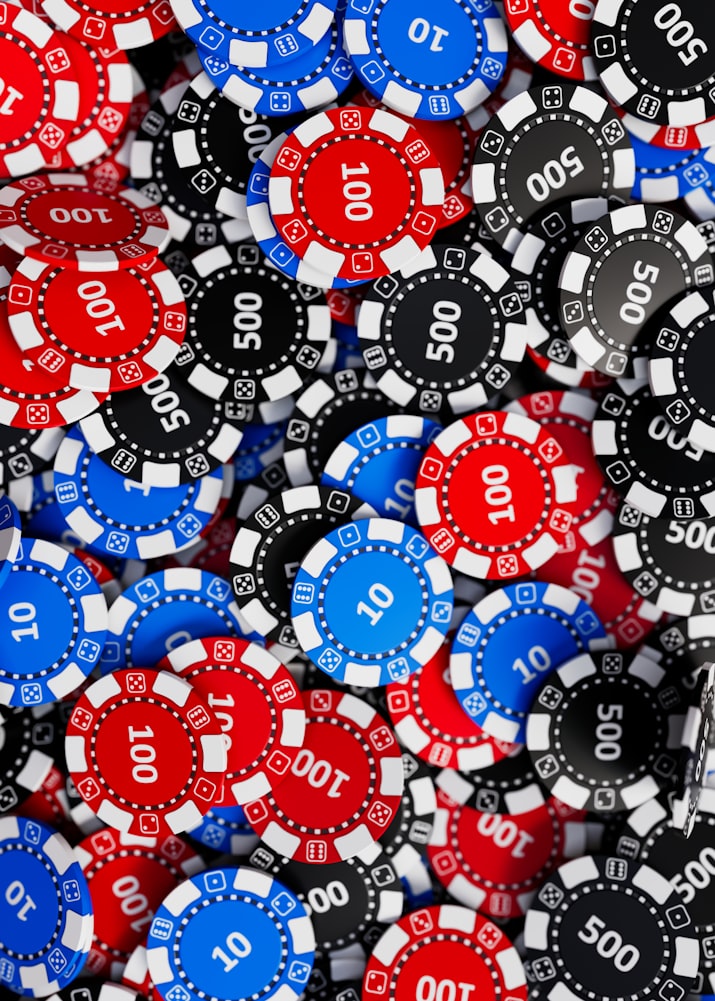
Finding Support in Online Gaming Platforms
In recent years, online gaming platforms have emerged as both a source of entertainment and a potential area of concern for individuals recovering from gambling addiction. While these platforms offer various games and experiences, it’s essential for players to engage with them responsibly. Many reputable online casinos, like albion casino, prioritize responsible gambling and provide resources that can help users manage their gaming habits effectively.
Albion Casino, for instance, has implemented features designed to promote a safe gaming environment. From setting deposit limits to providing self-exclusion options, the platform aims to help players enjoy their gaming experience while remaining mindful of their gambling habits. These responsible gaming tools are vital for individuals who may be vulnerable to addiction and are seeking to navigate the online gaming landscape cautiously.
Moreover, the commitment to customer support and transparency is a significant factor for players. By offering comprehensive information about game mechanics, bonus terms, and banking options, platforms like Albion Casino create a more trustworthy environment. Players should feel empowered to make informed choices and recognize when to seek help, ensuring that their gaming experience remains enjoyable and within healthy limits.
