

How social connections shape our gambling experiences
How social connections shape our gambling experiences
The Role of Community in Gambling
Social connections play a pivotal role in the gambling experience, providing a sense of community that can enhance enjoyment and engagement. When individuals participate in gambling activities together, they share not only the excitement of potential wins but also the emotional roller coaster of losses. This communal experience can create lasting bonds and shared memories, making gambling more than just a financial endeavor. Additionally, exploring platforms for non ukgc casinos has become a popular way to engage with others, further enriching the social aspect of the activity.
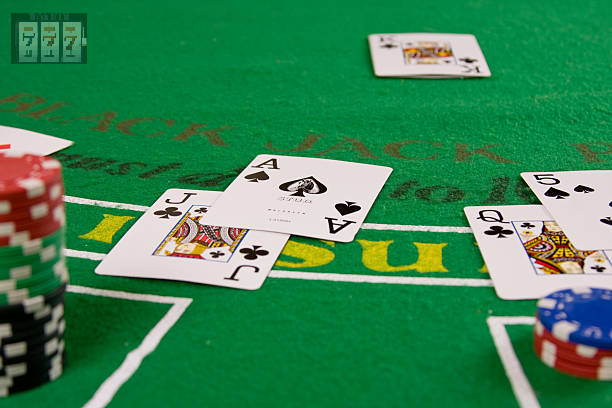
Moreover, the presence of friends and family in gambling settings can affect decision-making. For instance, individuals might take risks they wouldn’t normally consider when in a group, driven by the collective atmosphere and peer influence. The thrill of placing a bet or playing a game can intensify when shared with others, sometimes leading to decisions that prioritize social approval over rationality. This dynamic often blurs the line between entertainment and risk, highlighting the powerful impact of social influences in gambling.
In addition to enhancing the excitement, community connections also play a crucial role in responsible gambling practices. Individuals are often more likely to reflect on their gambling behaviors when they know others are watching or participating alongside them. This social accountability can encourage responsible wagering and discourage excessive gambling, as individuals may feel a sense of obligation to set a positive example for their peers. Hence, the community aspect not only enriches the experience but also serves as a potential safeguard against harmful gambling behaviors.
The Influence of Friends and Family
Friends and family significantly shape one’s gambling habits and attitudes toward risk. When an individual has a close circle of friends who gamble, the likelihood of their involvement in gambling increases. This influence can manifest in various ways, from casual betting on sports events to more structured forms like poker nights or casino outings. The shared experiences can solidify friendships, create traditions, and lead to regular gatherings centered around gambling, which can significantly enhance the enjoyment derived from these activities.
Additionally, family backgrounds can play a crucial role in shaping gambling behaviors. For example, individuals who grow up in families where gambling is normalized may develop a more accepting view of betting activities. This normalization can lead to a greater propensity to gamble, sometimes without a full understanding of the associated risks. Conversely, those from families that discourage gambling might be more cautious or avoid these activities altogether. Understanding these familial influences is essential for recognizing how deeply ingrained attitudes toward gambling can be.
The emotional support provided by friends and family during gambling activities also cannot be understated. Winning together can amplify joy and strengthen relationships, while losing can invoke empathy and support, allowing individuals to cope better with losses. This emotional roller coaster can create shared narratives, deepening connections and enhancing the overall gambling experience. Friends and family act as a support system, providing encouragement and camaraderie that can make gambling a social event rather than a solitary pursuit.
The Impact of Online Communities
In today’s digital age, online communities have transformed how individuals engage with gambling. Social media platforms and online forums provide spaces for gamblers to connect, share strategies, and discuss outcomes, fostering a sense of belonging. These platforms allow individuals to seek advice and share experiences with like-minded people from various backgrounds, creating a vast network of support and information. The accessibility of online communities makes gambling a more inclusive and social experience.
Moreover, the anonymity of online interactions can lead to more honest discussions about gambling behaviors. Gamblers may feel more comfortable sharing their challenges and successes when they are not face-to-face with their peers. This openness can foster a supportive environment that encourages responsible gambling and allows individuals to learn from each other’s experiences. Online communities can serve as both a support group and a source of valuable information, highlighting the importance of social connections in the digital gambling landscape.
Additionally, live-streaming platforms have emerged as a new frontier for gambling interactions. Gamblers can watch and interact with others in real-time, bridging the gap between online and physical gambling experiences. This interaction creates a dynamic atmosphere where viewers can cheer on their favorite players or discuss strategies in real-time. Such social interactions can lead to a heightened sense of excitement and engagement, reinforcing the idea that gambling is not merely about the games but also about the connections forged during the experience.
The Psychological Aspects of Gambling Socialization
Gambling is often intertwined with psychological factors that are heavily influenced by social connections. The desire for social acceptance can lead individuals to gamble in groups, often feeling pressure to conform to the behaviors of their peers. This phenomenon can result in increased risk-taking, as individuals may be less likely to weigh the consequences when influenced by friends. Understanding these psychological aspects is crucial for recognizing how social dynamics affect gambling decisions and behaviors.
Additionally, the psychological thrill associated with gambling can be amplified by social interactions. The excitement of placing bets or winning can feel more intense when shared with others, creating a euphoric atmosphere. However, this heightened excitement can also lead to impulsive decisions and a disregard for responsible gambling practices. Being aware of these psychological influences can empower individuals to make more informed choices and develop healthier gambling habits.
Social connections can also provide a buffer against the negative psychological impacts of gambling. Having a support network allows individuals to navigate the highs and lows of gambling experiences more effectively. This emotional backing can help mitigate feelings of isolation that sometimes accompany gambling losses. As a result, social connections serve as a vital component in maintaining a balanced approach to gambling, emphasizing the importance of community in shaping overall gambling experiences.

Conclusion: Community and Responsible Gambling
In summary, social connections play a crucial role in shaping our gambling experiences, influencing not only the enjoyment derived from these activities but also the strategies employed and the decisions made. The sense of community that arises from shared gambling experiences enhances emotional engagement, fosters friendships, and can even encourage responsible gambling practices. Whether it’s through friends, family, or online communities, the relationships formed around gambling activities significantly impact how individuals approach and experience gambling.
As we navigate the complexities of gambling, understanding the influence of social connections becomes increasingly important. Recognizing the role of community can lead to better decision-making and a more profound appreciation for the shared experiences that gambling can bring. Ultimately, fostering healthy social connections can enhance the enjoyment of gambling while promoting responsible practices that safeguard against potential risks.
