

The evolution of gambling tracing the history through time
The evolution of gambling tracing the history through time
Ancient Beginnings of Gambling
The origins of gambling date back thousands of years, with evidence found in ancient civilizations such as Mesopotamia and China. In these societies, games of chance were often tied to religious beliefs and rituals. The earliest known gaming pieces, dating from around 3000 BCE, were excavated in what is now Iran, indicating that gambling has been an integral part of human culture since its inception. Today, you can open website to explore the various strategies that have emerged over the years.
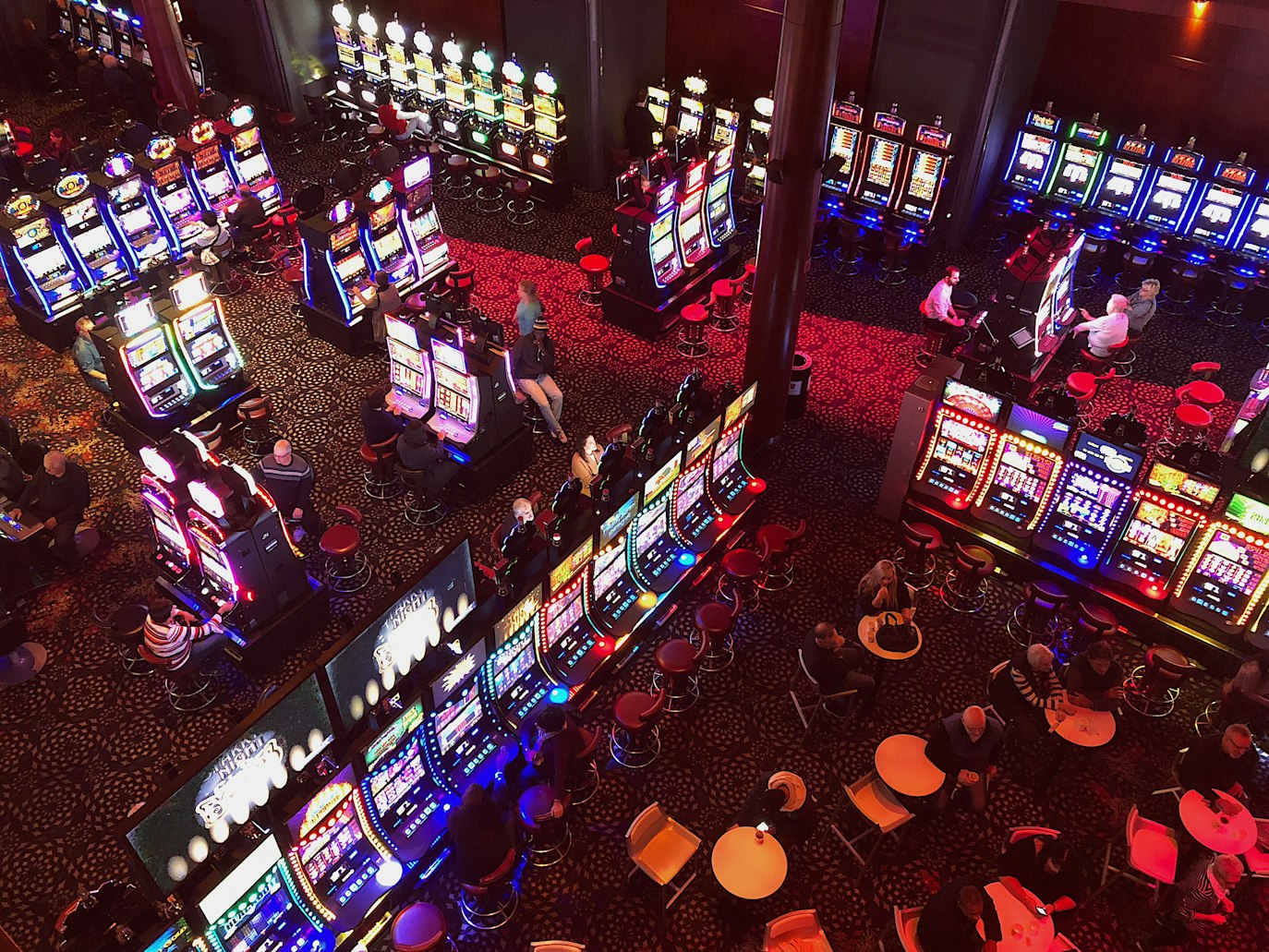
The Chinese are credited with creating some of the first forms of gambling, including rudimentary dice and betting games during the Shang Dynasty. Similarly, ancient Egyptians enjoyed various games of chance, often using dice made from knucklebones. These early forms of gambling laid the groundwork for more structured games that would evolve in later cultures.
The Rise of Gambling in the Middle Ages
As society transitioned into the Middle Ages, gambling took on new forms, particularly in Europe. The introduction of cards in the 14th century revolutionized gambling, leading to the creation of games like poker and blackjack. During this period, gambling became increasingly popular among the aristocracy, often seen as a social pastime in royal courts.
The establishment of the first official gambling houses in the 17th century, particularly in Italy, marked a significant turning point. These venues offered structured environments for gambling, introducing rules and regulations that transformed the experience. The emergence of lotteries in various European countries also showcased a growing acceptance of state-sponsored gambling as a revenue source.
The Birth of Modern Casinos
The 18th and 19th centuries saw the birth of modern casinos, beginning with the Casino di Venezia, which opened in 1638. This venue set the standard for future casinos, featuring games like roulette and baccarat. As gambling gained popularity across Europe, other cities began to establish their own casinos, creating a network of entertainment venues that catered to a growing audience.
The development of gambling legislation during this time also played a critical role in shaping the industry. Governments began to regulate gambling activities, ensuring fair play and consumer protection. This regulatory environment contributed to the establishment of iconic gambling destinations such as Monte Carlo, which became synonymous with luxury and high-stakes betting.
The Advent of Online Gambling
The late 20th century ushered in a technological revolution, significantly impacting the gambling landscape. The internet opened up new avenues for gaming, allowing players to engage in gambling from the comfort of their homes. The first online casino launched in 1994, marking the start of a new era in gambling.
Online gambling has rapidly evolved, with advancements in technology enabling a more immersive experience. Today, players can enjoy a vast array of games, including live dealer options that replicate the atmosphere of a physical casino. The convenience of online gambling has led to its exponential growth, attracting a diverse audience and reshaping traditional gambling dynamics.

Exploring the Future of Gambling
The future of gambling is poised for even more transformation, driven by innovations in technology and shifts in societal attitudes. The rise of mobile gaming, virtual reality, and blockchain technology is redefining how players engage with gambling. These advancements promise a more personalized and interactive experience, making gambling more accessible to a broader audience.
Moreover, regulatory bodies are adapting to these changes, ensuring that the industry remains secure and fair. As gambling continues to evolve, it will likely reflect broader cultural shifts, embracing inclusivity and responsible gaming practices. Understanding this evolution offers valuable insights into the ever-changing landscape of gambling and its place in modern society.
